A two-part, research-based, interactive, traveling exhibit blending art, technology, and storytelling to explore shared humanity, build community, and teach the lessons of the Holocaust
Common Circles partners with schools and communities to create interactive experiences that increase empathy, reduce bias and antisemitism, deliver effective Holocaust education, and foster meaningful dialogue and connection. The customizable exhibit offers a distinctive, research-backed approach to Holocaust education — beginning with shared humanity and local community stories. The exhibition invites visitors to see themselves and others in the community before engaging directly with Holocaust history and survivor and liberator testimonies.
The Common Circles Experience combines research-backed approaches from psychology with engaging, accessible experiences for audiences of all backgrounds and ages. Designed to spark reflection, deepen empathy, and encourage dialogue, it creates spaces of belonging where every individual feels seen, heard, and valued.

The Common Circles Experience: New York will be on view at the Museum of Jewish Heritage — A Living Memorial to the Holocaust from April 23 through June 28, 2026 before traveling to schools and community venues.
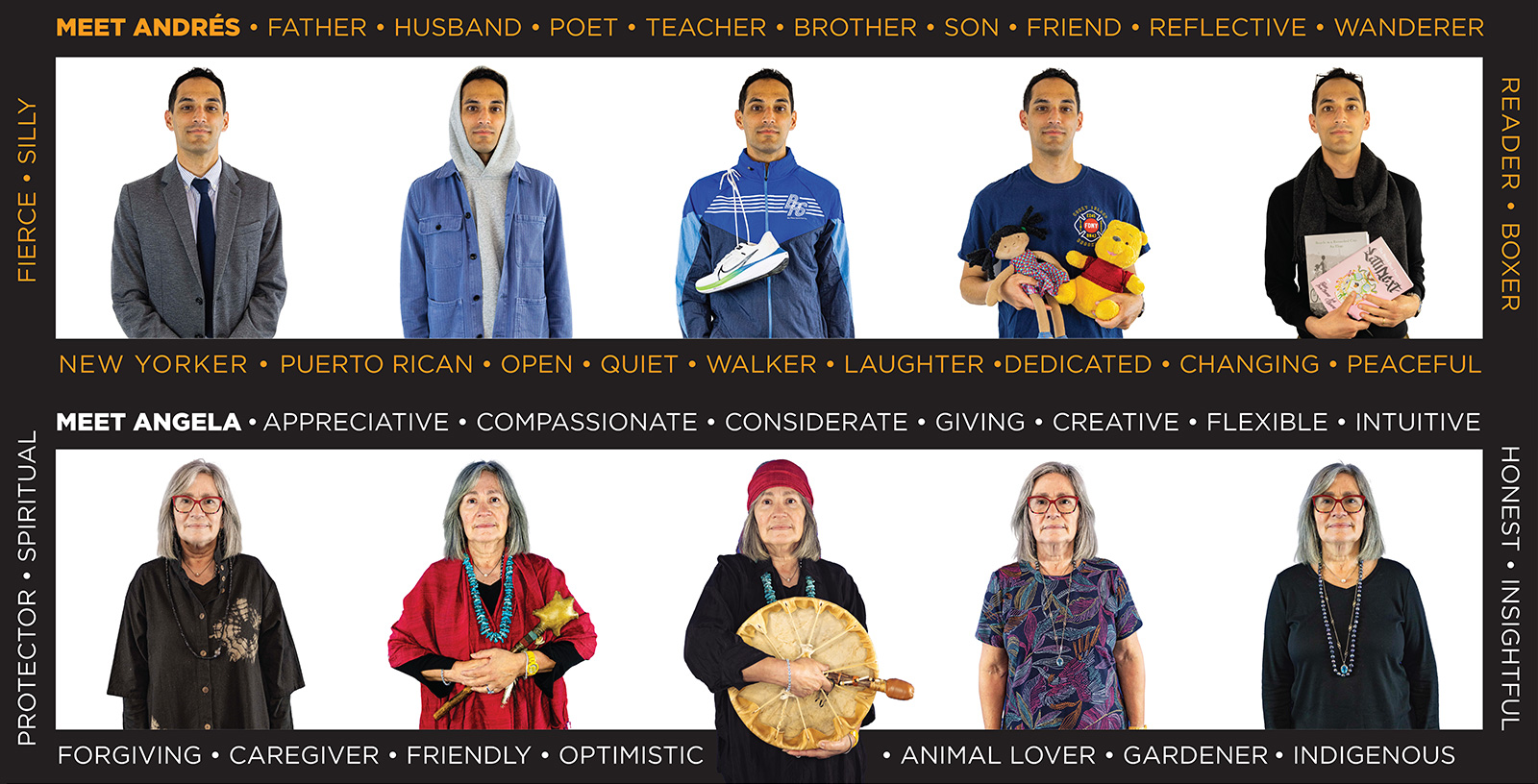
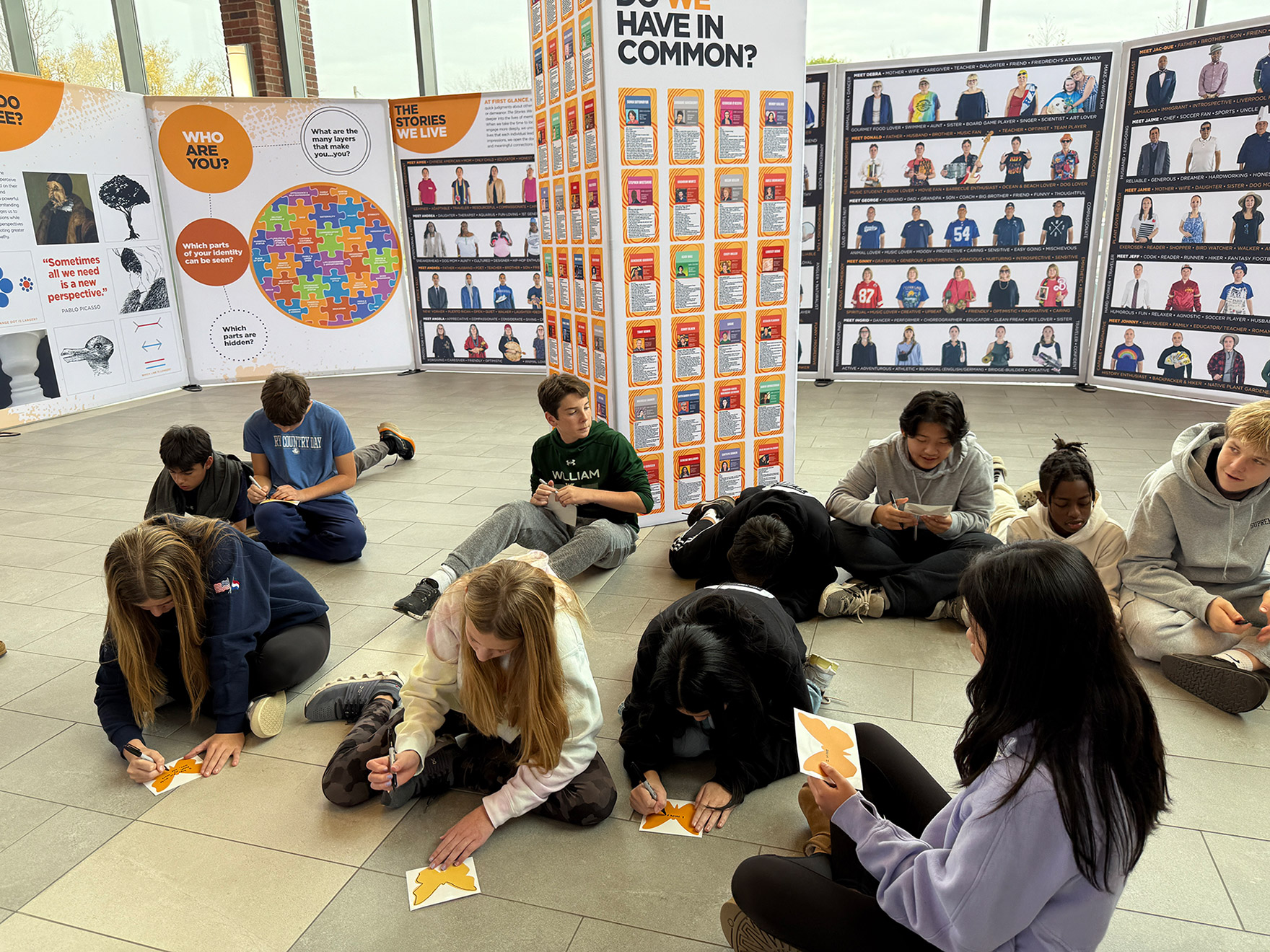
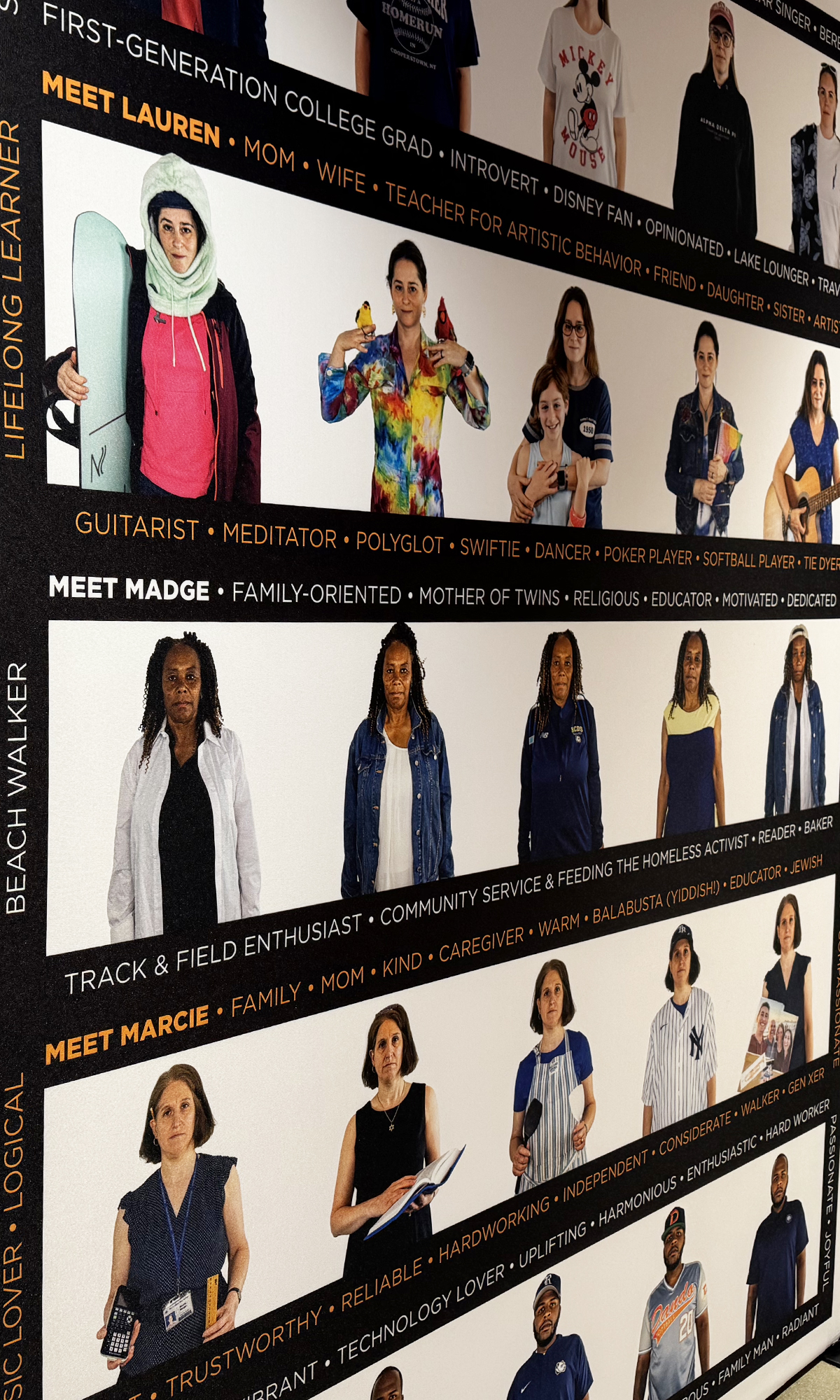
This opening section introduces the themes of bridging, belonging, and othering and fosters respectful dialogue. Through art, photography, optical illusions, and storytelling, the exhibit encourages visitors to move beyond first impressions and explore the many layers that shape each of us as individuals and members of a community.
Visitors are invited to listen to one another’s stories and find points of connection. Through visual storytelling, they reflect on how they see others and the world around them — and how easily both people and history can be reduced to a single story.
By centering connection, complexity, and critical thinking, this section prepares visitors of all ages to engage with the Holocaust, not as distant events, but as deeply human experiences that continue to resonate today .
This section can be customized for schools and communities nationwide.
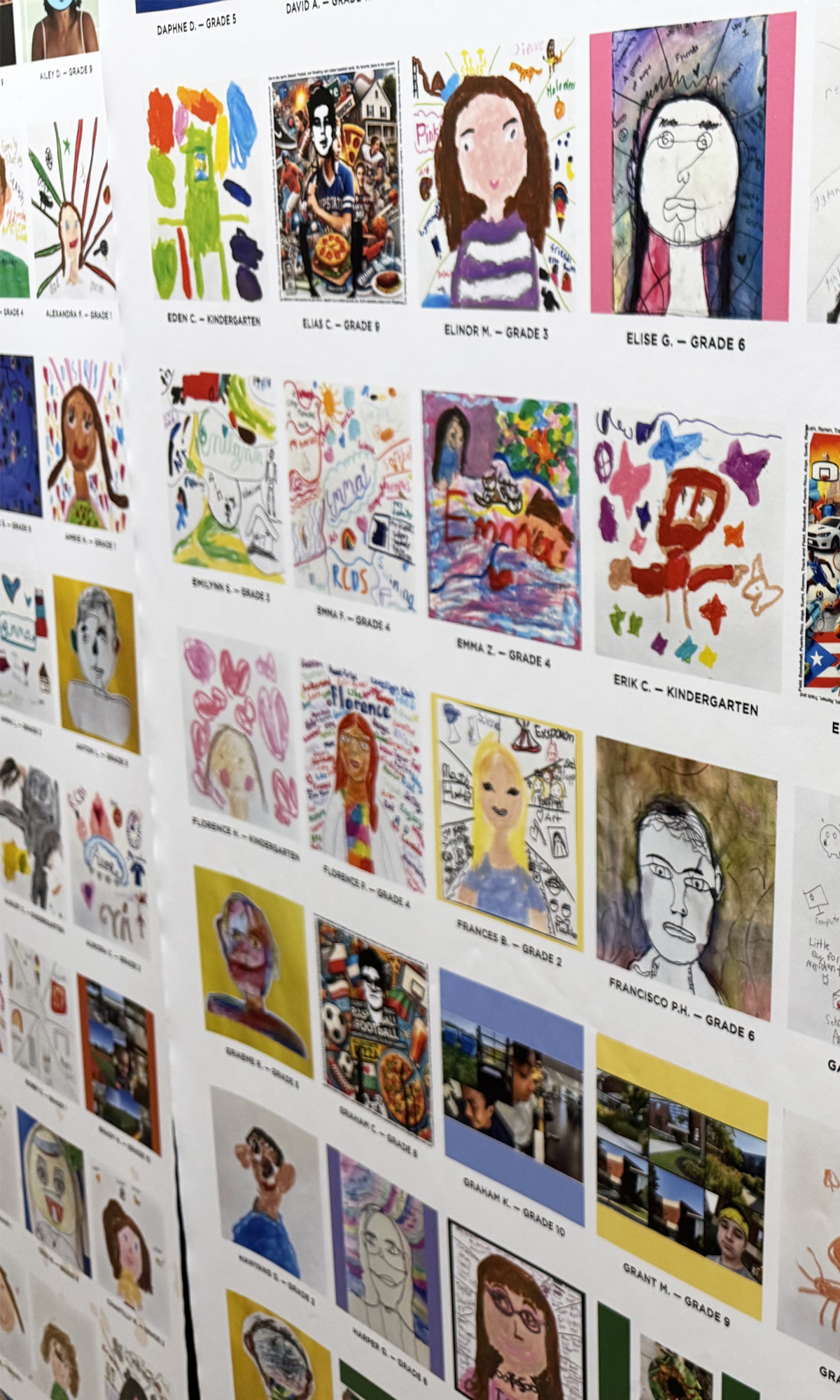
In select exhibitions, participants can also take part in an interactive, photography-based experience that invites deeper self-reflection and connection — weaving their own voices into the exhibit — and expanding the circle of stories.

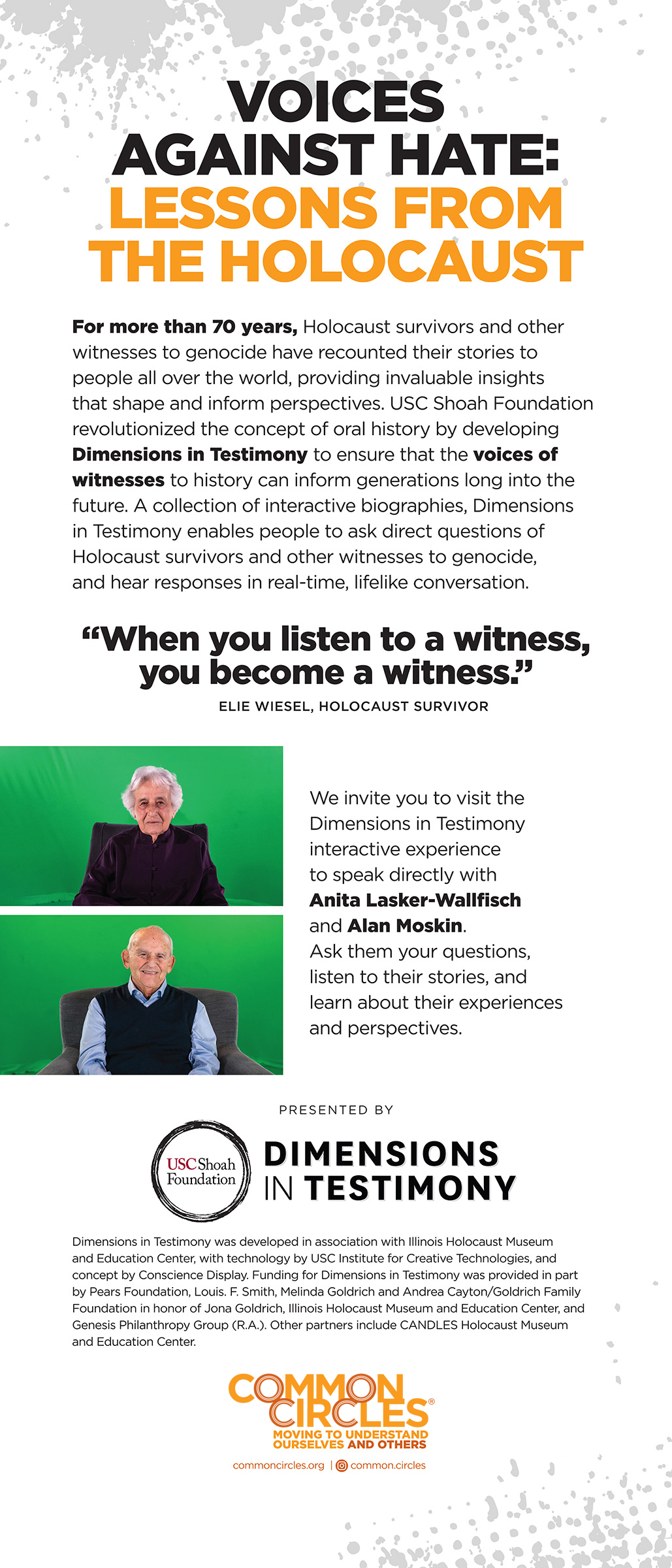
Voices Against Hate: Lessons from the Holocaust features USC Shoah Foundation’s groundbreaking Interactive Biographies, which allow visitors to engage in lifelike conversations with a Holocaust survivor Anita Lasker-Wallfisch and Jewish American liberator Alan Moskin through advanced AI technology.
In this immersive environment, visitors not only hear their firsthand testimony, but can ask questions — creating a powerful, personal connection to history.
Participants learn about the Holocaust, the Jewish community, and how to recognize and respond to antisemitism today. By connecting historical lessons to contemporary life, this section empowers visitors to stand against hate in all its forms.
It also highlights local stories of survivors and liberators, alongside stories of hope, resilience, and Jewish life across the diaspora — reinforcing that these stories are not distant but woven into the fabric of our communities.
Looking Ahead
From Our School & Community Partners
The Common Circles Interactive Art Experience
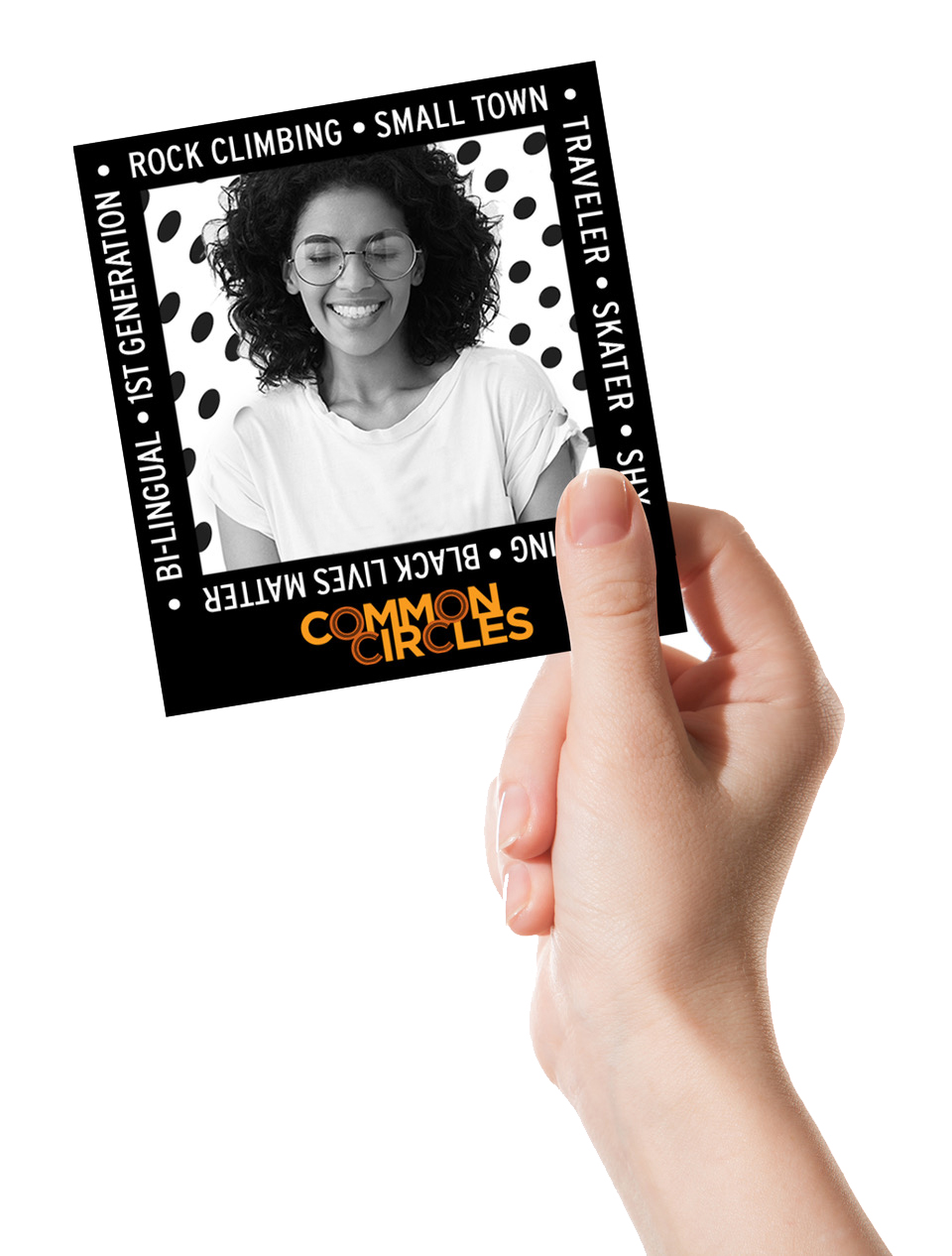
Common Circles developed an interactive, community-based, photo experience designed for schools, organizations, and workplaces.
In select exhibitions, including We are New York! Bridging, Belonging, & Building Community at the Museum of Jewish Heritage, this photo booth experience is included as an interactive component.
By taking their own photos and engaging in guided reflection, participants explore the many experiences and perspectives that shape who they are. As they engage with one another’s stories, they begin to see themselves and others more fully.
The experience culminates in a dynamic, shared digital display that reveals unexpected connections and new insights — challenging assumptions and inviting participants to move beyond first impressions.
This interactive component is designed to deepen engagement, foster connection, and build communities of belonging.
 The Common Circles App
Step into the shoes of others
The Workshop & Game Jam
Imagined for students by students
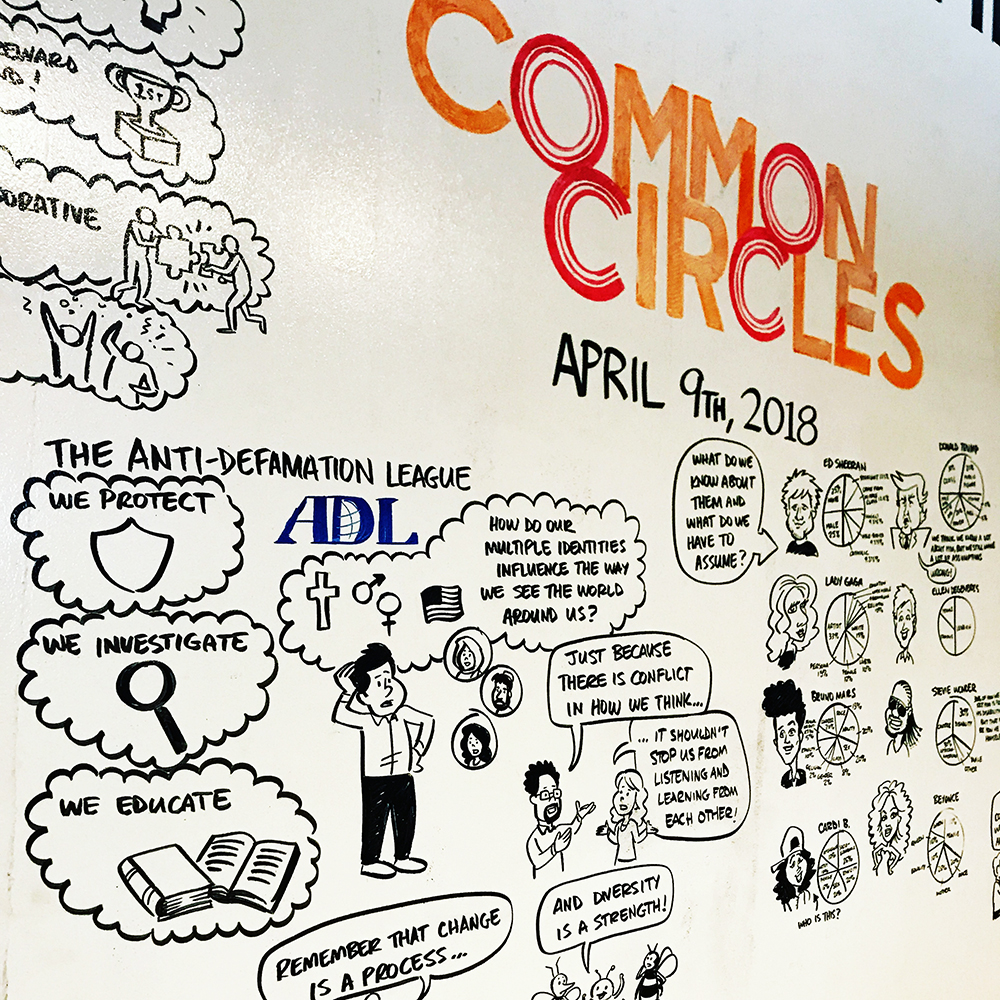
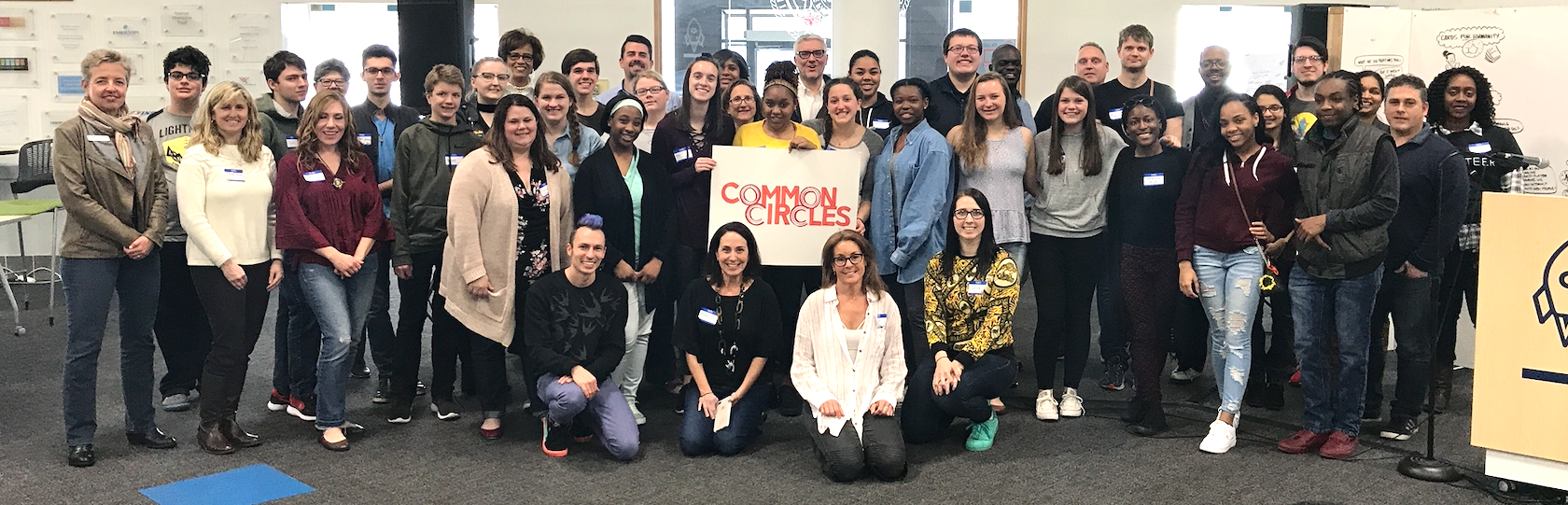
Common Circles designed, developed, and implemented an identity and game workshop for high school students in St. Louis, Missouri. Students from seven area high schools came together to learn about identity, unconscious bias, and the fundamentals of game design. Using techniques from psychology that have been proven to increase empathy and decrease bias, the students then worked collaboratively alongside game designers and experts on bias and intergroup relations to create games to address these difficult topics in an engaging way. The students generated innovative and viable ideas, including a card game called Common Threads that was further developed and is now part of the The Common Circles Experience exhibit and curriculum.
The Common Threads Game
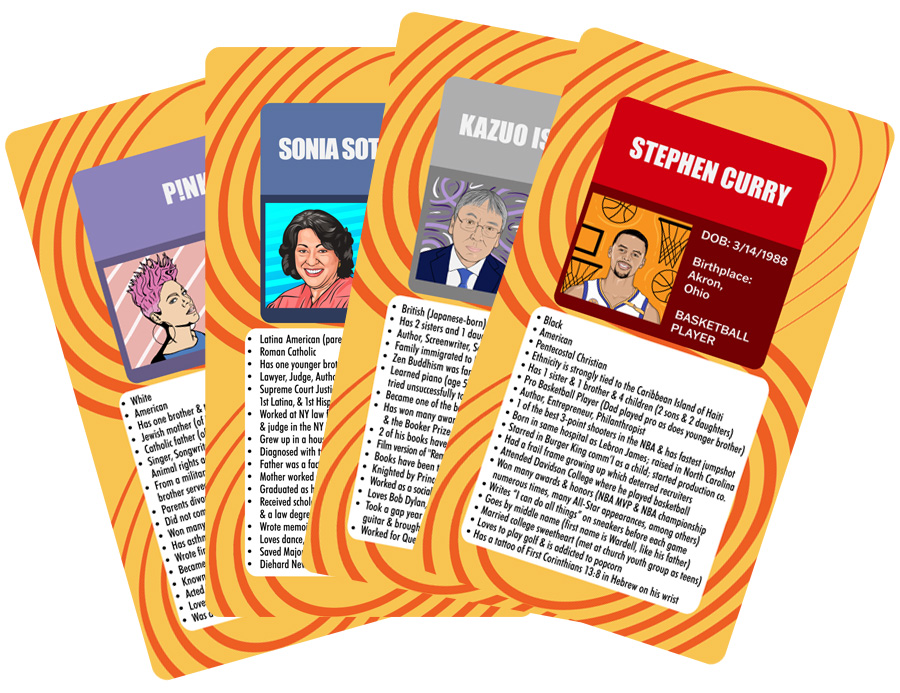
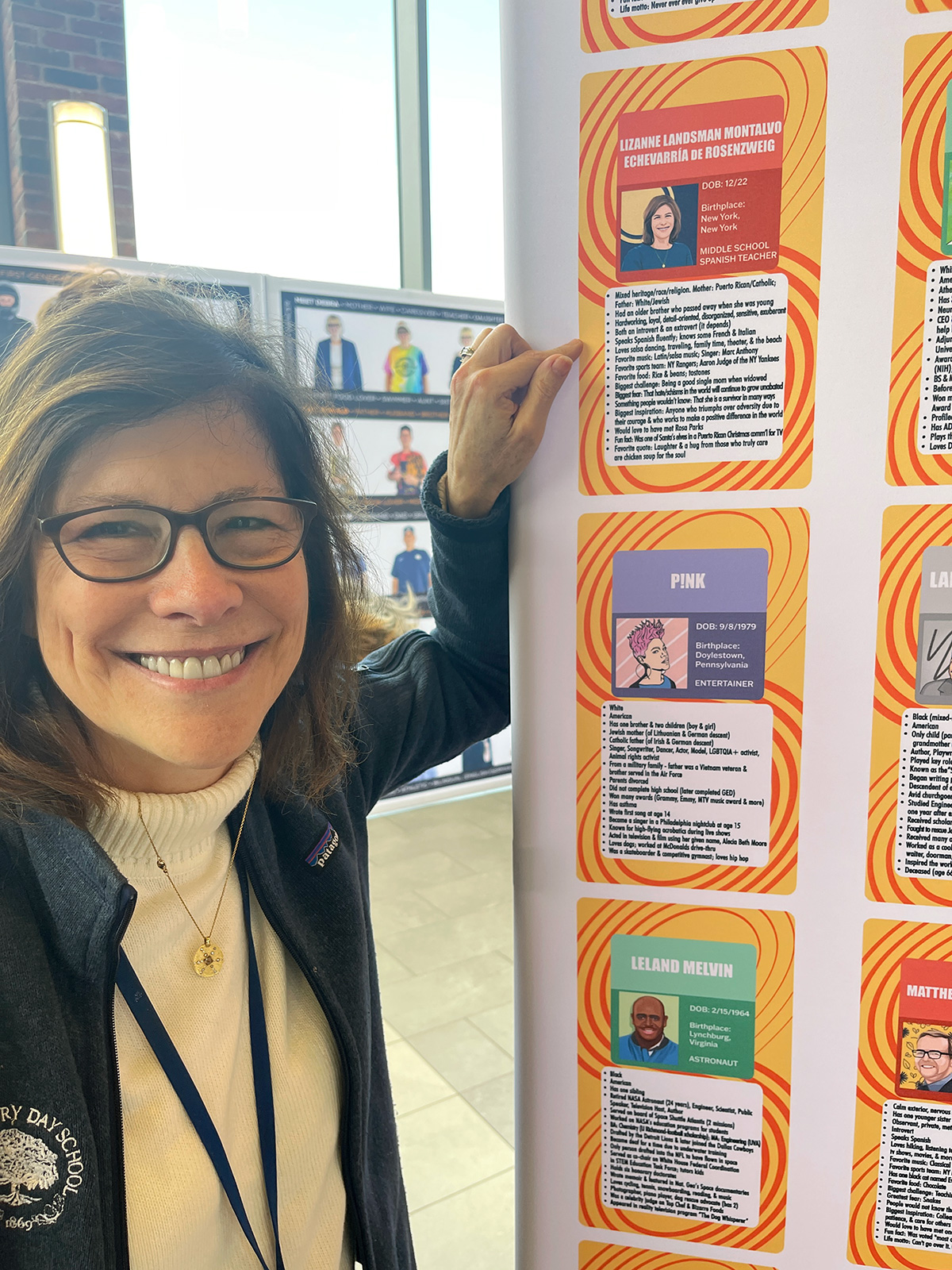
Common Threads is an innovative multi-player character card game linking Stephen Curry and P!nk in less than five minutes.
Developed by high school students, the Common Threads card game highlights the richness of both personal and social identities, and seeks to find connection and commonalities across lines of difference. The character cards address the many layers of identity among various historical and public figures, artists, celebrities, scientists, athletes, and musicians.
The game uses several proven methods from psychology including “finding commonality,” a technique that tasks players to explore commonalities among the varied 100-character card deck. This highlights that our identities are multi-layered and shaped by a variety of factors, allowing us to focus on our commonalities and connections. Experts agree that this identity work is a crucial starting point in the difficult but vital education necessary to ensure inclusive schools, workplaces, and organizations. The Common Threads card game is being integrated into curriculum in classrooms and other organizations as part of The Common Circles Experience exhibit and curriculum.